The Importance of Certified Seed on Jobsites
Whether you're working on a commercial landscaping job, a highway slope stabilization, or a native restoration site, using certified seed is one of the most effective ways to ensure success. At Environmental Construction Solutions, we understand how important seed quality is to project outcomes, and we proudly support the use of certified seed across all applications.
What is Certified Seed?
Certified seed is professionally grown, harvested, and tested under strict standards to ensure genetic purity, high germination rates, and the absence of noxious weeds. Certified seed is issued a blue tag that confirms it has passed these standards through official inspection and laboratory testing.
This tag is your assurance that every seed in the bag meets exacting performance and quality benchmarks.
What Makes Certified Grass Seed Different?
Unlike uncertified or "common" seed, certified seed must meet rigorous requirements, including:
Verified genetic purity
Consistently high germination rates
Virtually no weed or inert matter
Full traceability and documentation
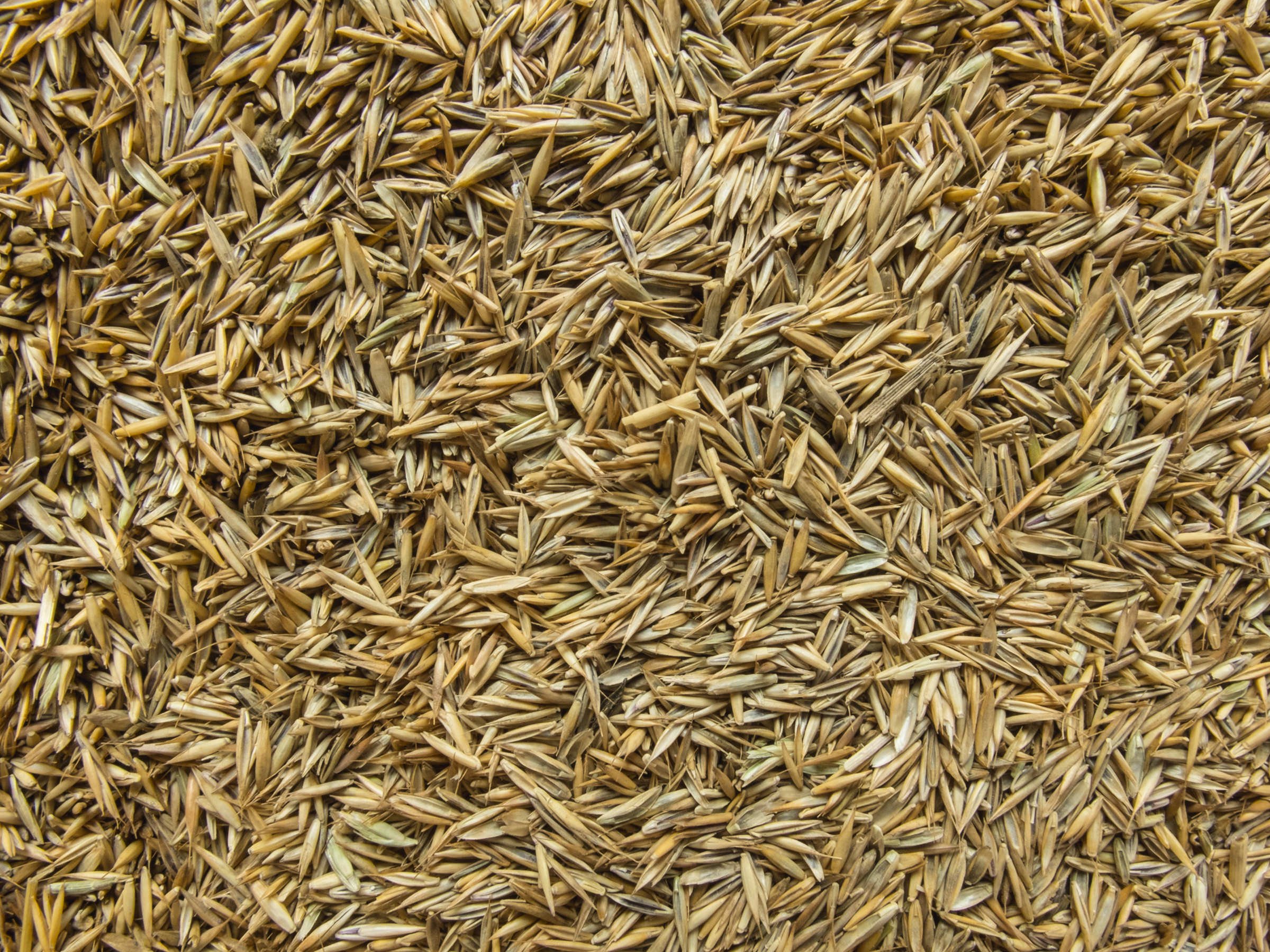
Each bag includes a blue tag that provides details like variety name, lot number, germination percentage, purity, test date, and origin—all crucial for compliance and quality assurance.
How to Read a Grass Seed Analysis Tag
Understanding the grass seed analysis tag helps you make informed decisions when choosing seed for your project. Here’s what you'll typically find:
Grass Variety: Identifies the specific cultivar (e.g., 'Titan RX Tall Fescue')
Germination Rate: Percentage of viable seeds expected to sprout
Pure Seed (Purity): The percentage of pure seed in the mix
Inert Matter: Non-seed material like chaff
Weed/Noxious Weed Content: Should be negligible in certified seed
Test Date & Origin: Indicates when and where the seed was tested and grown
These details ensure transparency and help specifiers and contractors meet regulatory and performance standards.
Role of Certification Agencies:
Seed certification agencies serve as guardians of seed quality and integrity. Through meticulous testing, inspection, and certification processes, these agencies verify the authenticity and purity of certified seed. By collaborating with seed producers, sellers, and consumers, certification agencies ensure compliance with regulatory standards and promote transparency in the seed industry. Their efforts are instrumental in maintaining the credibility and trustworthiness of certified seeds within the marketplace.
Why It Matters for Contractors, Municipalities & Engineers
Higher Consistency & Predictability: You get uniform germination and growth, critical for erosion control and aesthetic value
Regulatory Compliance: Many DOT and government contracts require certified seed
Reduced Risk: Less likelihood of weed contamination or failed establishment
Certified seed is especially important in environmentally sensitive areas, where invasive species or seed failure can cause costly setbacks.
Your Partner in Certified Seed Solutions
At ECS, we source high-performance certified seed blends tailored to the mid-Atlantic and Southeastern U.S. We work with trusted producers like Chesapeake Valley Seed to supply seed that performs under pressure—whether you’re planting native wildflowers on a solar site or stabilizing a highway embankment.