The Benefits of Using Cover Crop Seeds on Challenging Jobsites
Cover crop seeds aren't just transforming off-season farming—they're making a big impact on tough jobsites too. From construction zones and DOT corridors to utility rights-of-way and post-disturbance revegetation, cover crops play a crucial role in restoring soil health, reducing erosion, and preparing land for long-term vegetation success.
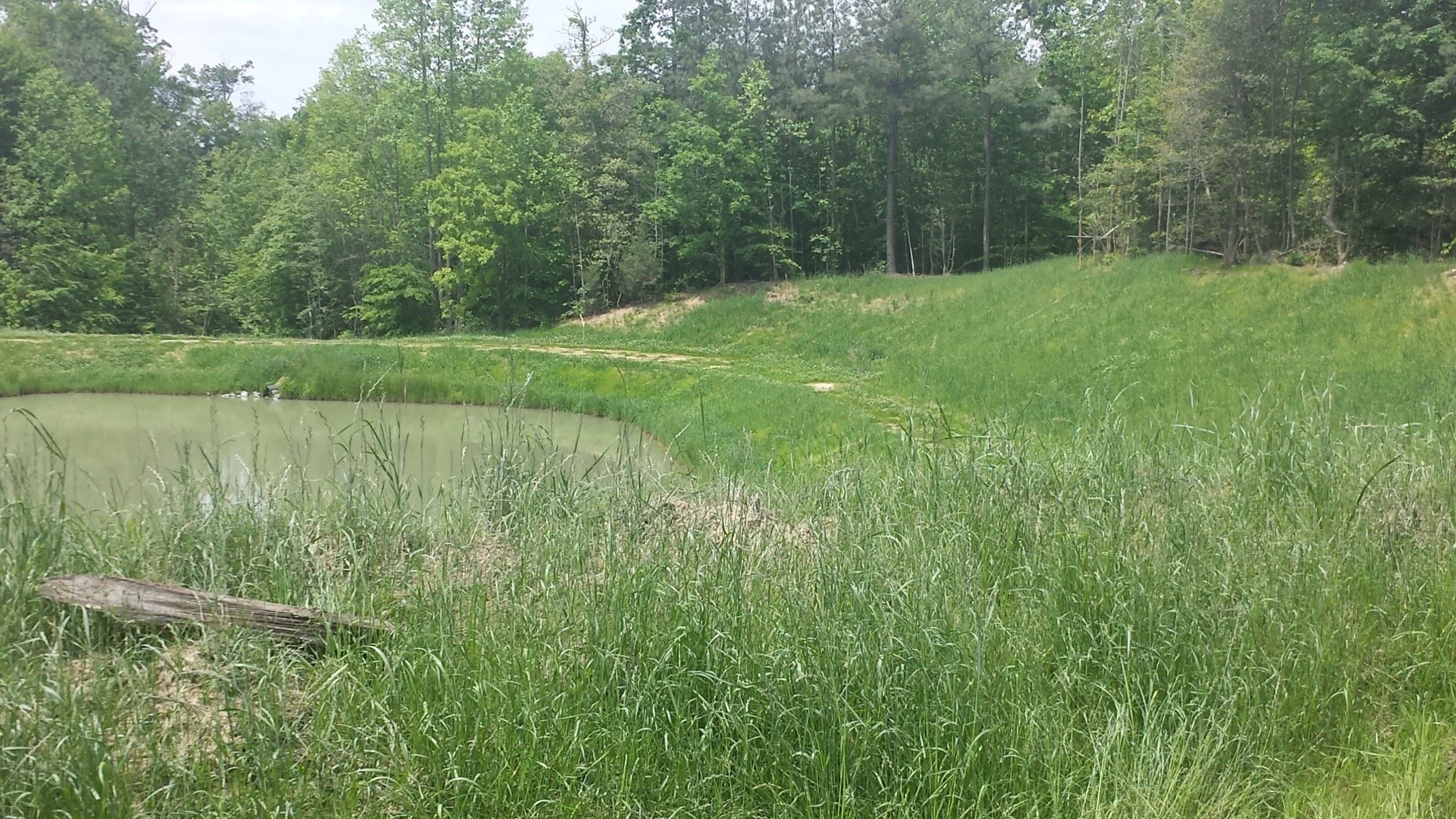
Enhancing Soil Health and Structure
On construction sites and disturbed lands, soil often lacks organic matter and microbial life. Cover crops like clover, annual ryegrass, and hairy vetch rebuild depleted soils by:
Adding organic matter as they decompose
Encouraging microbial activity for better nutrient cycling
Breaking up compacted subsoils with deep root systems
Increasing porosity and water-holding capacity
These benefits are essential for reestablishing vegetative cover and preparing the ground for permanent seeding.
Suppressing Weeds and Reducing Erosion
Jobsites often face erosion and weed pressure before permanent vegetation can take hold. Densely planted cover crops provide ground coverage that:
Shades the soil and suppresses weed seed germination
Reduces the need for chemical herbicides
Holds soil in place during rain events and wind exposure
Prevents sediment runoff into stormwater systems
This "living mulch" helps stabilize the site until permanent vegetation is installed.
Improving Water Management on Site
Cover crops help manage moisture by improving infiltration and reducing evaporation. On sloped or compacted areas, they:
Allow better rainwater penetration into the root zone
Prevent ponding and runoff
Create a microclimate that conserves soil moisture
In areas with tight schedules or seasonal delays, this keeps your site stabilized and reduces the risk of erosion.
Natural Fertility: Nitrogen Fixation and Beyond
Leguminous species like crimson clover and alfalfa naturally fix nitrogen from the atmosphere and store it in the soil. This means:
Improved fertility for follow-up permanent seedings
Reduced need for synthetic fertilizers
Enhanced establishment of turfgrass, native mixes, or wildflowers
For specifiers and contractors, it’s a cost-effective way to set the stage for long-term success.
Supporting Biodiversity and Ecosystem Recovery
Cover crops attract pollinators and beneficial insects that support broader ecological recovery. On large-scale infrastructure or utility projects, they can:
Provide temporary habitat for beneficial wildlife
Support natural pest control by attracting predators
Promote long-term soil resilience and diversity
This added biodiversity improves the overall performance of post-construction landscapes.
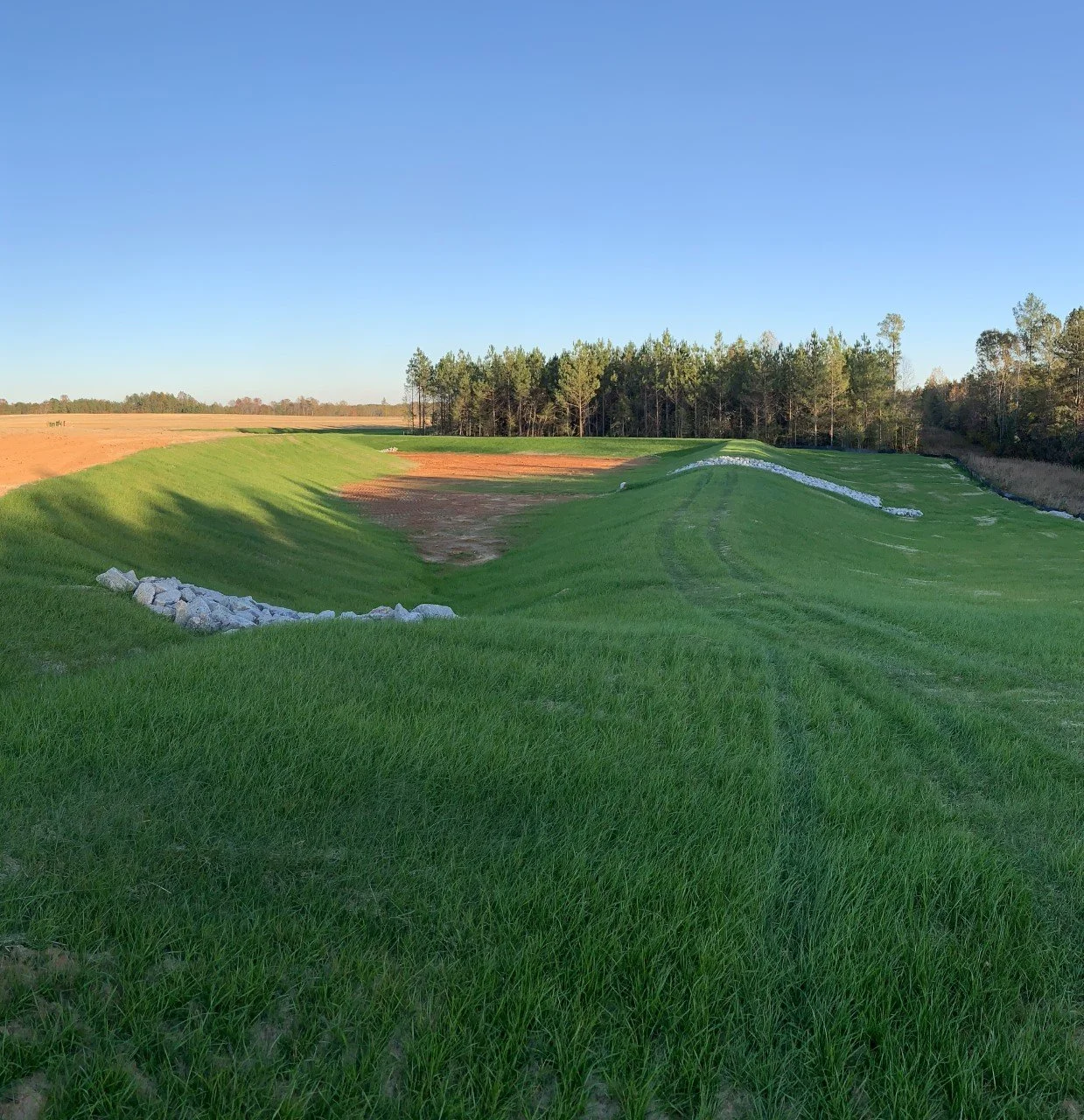
ECS Has the Cover Crop Solutions You Need
At ECS, we supply high-performance cover crop seed mixes tailored to your site conditions and project timelines. Whether you need fast germination for winter stabilization or nitrogen-fixing species for spring restoration, we can help you:
Select the right species for your climate and soil
Meet DOT and EPA stabilization requirements
Improve long-term vegetation outcomes
Don’t overlook the power of cover crops. They’re not just a farming tool—they're a smart strategy for stabilizing and restoring challenging jobsites.
Contact us today to learn more about our cover crop seed solutions.